
What is Handloom Saree: A Deep Dive

You are currently viewing What is Handloom Saree: A Deep Dive
What is Handloom Saree

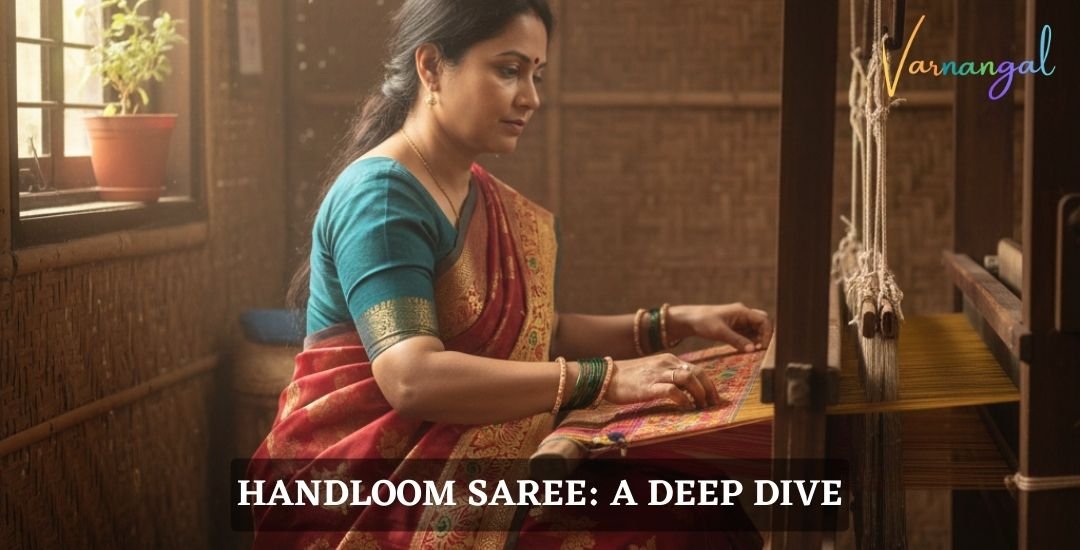
A handloom saree is not just a piece of cloth. It is a handmade masterpiece created by a weaver using their hands and feet on a wooden machine called a loom. Unlike clothes made in big factories with electricity, a handloom saree is made slowly and carefully. This “slow fashion” means every saree is special, and no two are exactly the same.

What is a Handloom Saree?

Simply put, it is a saree made entirely by a human being without using power or electricity. To make it, the weaver crosses two sets of threads:

  • The Warp: These are the long threads that go up and down (vertical).

  • The Weft: These are the threads that go across (horizontal). By weaving these together, a strong and beautiful fabric is born.

How the Wooden Loom Works

Think of the loom as a giant musical instrument that the weaver “plays” with their whole body.

  • The Foot Pedals: The weaver steps on these to lift some threads up and push others down, creating a gap.

  • The Shuttle: This is a small wooden tool that holds the thread. The weaver “tosses” it through the gap from one hand to the other.

  • The Beater: After every toss, the weaver pulls a wooden frame to push the new thread tightly against the old ones.

  • The Human Touch: Because a person is doing this, the fabric feels softer and “breathes” better than machine-made cloth.

The Hard Work Before Weaving Starts

A weaver doesn’t just start weaving on day one. A lot of work happens first:

  1. Dyeing: The plain threads are dipped into big pots of color.

  2. Starching: The threads are brushed with rice water or starch to make them strong so they don’t break on the loom.

  3. Setting the Loom: Thousands of threads must be tied to the loom by hand. This can take a whole week!

How to Tell if a Saree is Real Handloom

Machines try to copy handlooms, but they can’t match the soul of the work. Look for these signs:

  • The Edges: The side edges (selvedge) of a handloom saree are soft and might look a little uneven. Machine sarees have stiff edges with tiny pinholes.

  • Small Mistakes: You might see a tiny bump or a slightly thicker thread here and there. These aren’t mistakes—they are the “fingerprints” of the weaver.

  • The Back Side: On a handloom, the back of the design looks almost as neat as the front.

Handloom Stars of Tamil Nadu

Tamil Nadu is famous for some of the best handloom sarees in the world. Here are the main ones:

1. Kanchipuram (Kanjeevaram):

The “King of Silk.” These are thick, heavy silk sarees with real gold and silver thread (Zari). They are famous for having a border and body that are woven separately and then joined together strongly.

2. Thirubuvanam Silk:

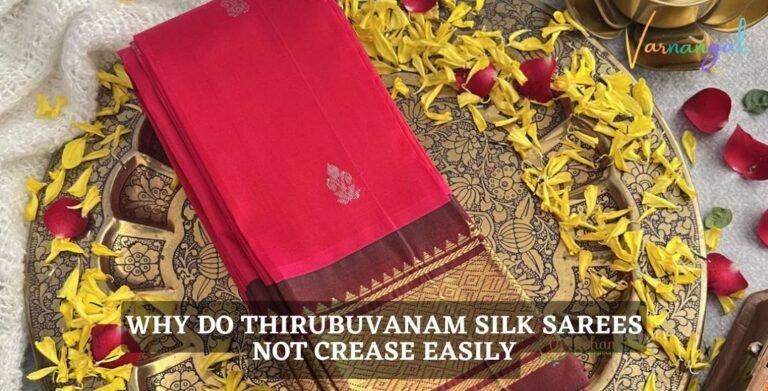
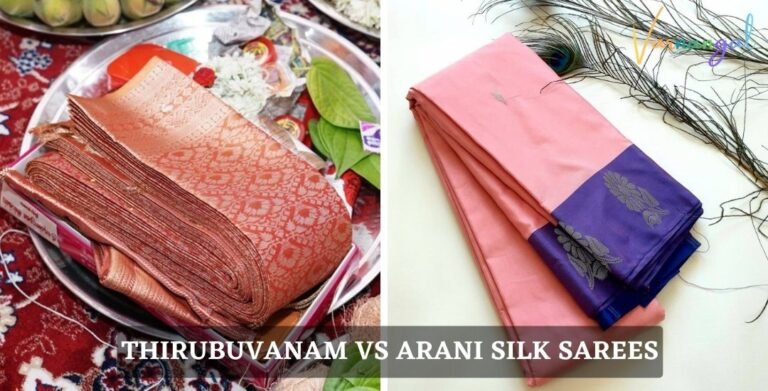
These are special sarees from near Tanjore. Unlike other silks, Thirubuvanam sarees are folded like a fan (“Visari” fold). They use high-quality silk that shines brightly and usually feature designs of mangoes, temple towers, or flowers.

3. Madurai Sungudi:

These are comfy cotton sarees made using a “tie-and-dye” method. Thousands of tiny knots are tied by hand before the cloth is dipped in color.

4. Chettinad (Kandangi):

These are famous for their bold colors and big checks. They are very sturdy and perfect for hot weather.

Why Choose Handloom?

When you buy a handloom saree, you are doing two great things:

  • Helping the Earth: Since no electricity is used, it’s a very “green” way to make clothes.

  • Supporting Families: You are helping a weaver’s family keep their ancient skills alive.

Conclusion

A handloom saree is a piece of history you can wear. From the heavy silk of Thirubuvanam to the simple cotton of Chettinad, these sarees show the hard work and heart of the person who made them. By choosing handloom, you aren’t just buying a dress; you are owning a piece of art that will last for years and years.

This Post Has 7 Comments

Leave a Reply