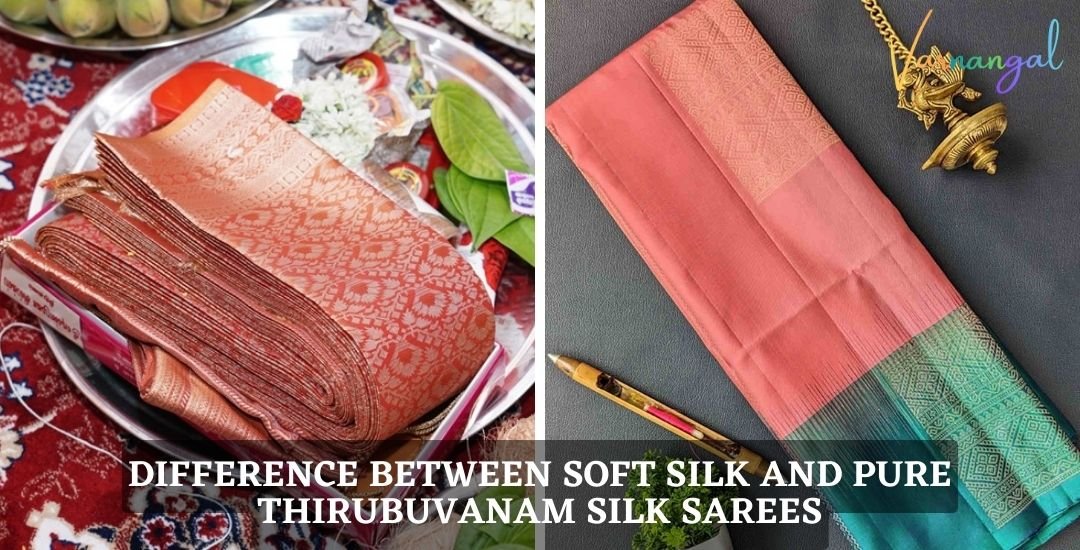
When it comes to South Indian silk sarees, the options are as magnificent as they are diverse. Silk holds a deep cultural significance, particularly in Tamil Nadu, where it is more than just a fabric—it is a symbol of heritage and tradition. Among the numerous varieties, two types often catch the eye of saree enthusiasts: the traditional Thirubuvanam silk saree and the modern, comfortable Soft Silk saree. While both are elegant choices, they serve different purposes and suit different preferences.
Let’s delve into the nuances of each to help you make an informed decision for your next purchase.
What is a Soft Silk Saree?
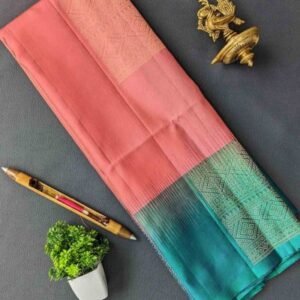
A soft silk saree, as the name suggests, is characterized by its pliable, flexible texture and lightweight nature. It is a modern innovation in the world of silk, designed to offer the elegance of silk without the characteristic stiffness and weight that some traditional sarees possess.
Is Soft Silk a Real Silk?
Yes, soft silk is real silk! Many people mistake the ‘soft’ texture for being synthetic, but authentic soft silk sarees are woven with pure silk fibers, typically mulberry silk. The difference lies in the processing and weaving techniques. The silk threads used in soft silk sarees are untreated with traditional starch or chemicals that add stiffness. Additionally, they often incorporate less dense zari work (often imitation or mixed zari) or more delicate weaving patterns, contributing to their lighter weight and softer drape. This makes them significantly easier to manage, especially for long hours.
Difference Between Thirubuvanam Silk Saree and Soft Silk Sarees
While both originate from the rich weaving traditions of Tamil Nadu, they cater to very different preferences in terms of look, feel, and price. Here is a detailed comparison:
| Feature/ | Thirubuvanam Silk Saree | Soft Silk Saree |
|---|---|---|
|
Origin & Tradition |
Hails from the town of Thirubuvanam, known for its heavy, durable silk weaving heritage |
A modern style woven across various silk clusters in South India. |
|
Texture & Feel |
Heavy, thick, and relatively stiff. The drape is structured and traditional. |
Pliable, soft, flexible, and extremely comfortable against the skin. |
|
Weight |
Heavily weighted, due to the high density of silk and the extensive use of zari. |
Lightweight and easy to carry, making them suitable for long wear. |
|
Zari (Gold/Silver Thread) |
Traditionally woven with pure gold or silver zari (often 100% or 50% purity). |
Typically uses tested zari, semi-pure zari, or no zari at all (replaced with silk thread work). |
|
Designs & Motifs |
Distinctive for traditional temple (gopuram) borders, intricate patterns, and solid colors. |
Offers a vast range of modern designs, smaller borders, floral motifs, and abstract patterns. |
|
Durability |
Highly durable and known to last for generations with proper care. |
Durable, but less so than heavy silk due to the lighter weave. |
|
Best For |
Grand occasions: Weddings, festivals, and major ceremonies. |
Semi-formal events: Parties, corporate wear, smaller festivals, and social gatherings. |
|
Price Point |
High to very high (Premium pricing due to pure silk and pure zari). |
Moderate to affordable (depending on the type of silk and zari used). |
Conclusion
In conclusion, the choice between a Thirubuvanam silk saree and a soft silk saree boils down to individual preference and the occasion. If you are looking for a statement piece for a wedding or a traditional event that honors centuries-old craftsmanship, the weight, purity, and distinct aesthetic of the Thirubuvanam saree are unmatched.
On the other hand, if comfort, ease of movement, and a versatile, modern look are your priorities, a soft silk saree is an excellent choice. It offers the beauty of pure silk with the convenience of a modern garment, making it a perfect addition to a contemporary wardrobe.
Abirami R – I grew up watching the women in my family drape themselves in vibrant colors, which made me realize that a saree carries both grace and history. With my husband Rajarajan’s encouragement, I turned this fascination into a mission to help you find truly authentic Tamil Nadu weaves. I’ve spent years learning the technical side, like zari weight and thread strength, to protect you from misinformation and help you find pieces worth passing down. My goal is to teach you the soul of the heavy Thirubuvanam silk saree so you can identify a real masterpiece for yourself.