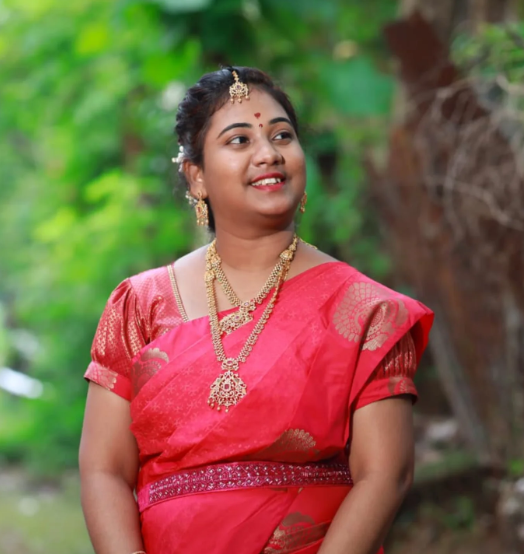
Top 8 Traditional Motifs in Thirubuvanam Wedding Sarees

You are currently viewing Top 8 Traditional Motifs in Thirubuvanam Wedding Sarees
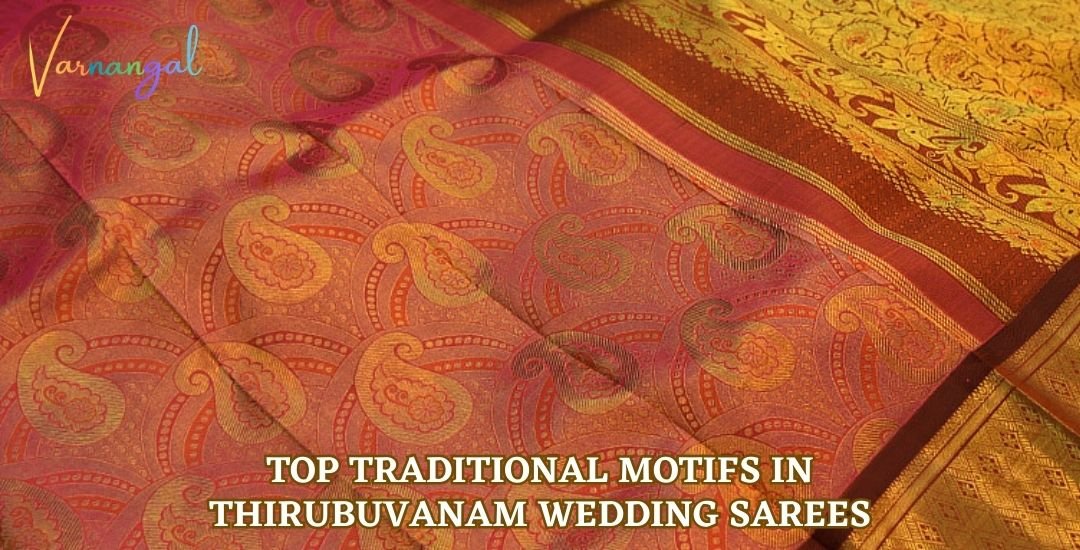
Top Traditional Motifs in Thirubuvanam Wedding Sarees

Thirubuvanam silk sarees are widely considered the best choice for a traditional wedding. These pure handloom silks are famous for being heavier and more durable than even the finest Kanchipuram sarees. A unique feature is that the body and border are woven together as one single piece, ensuring the saree lasts for generations as a family heirloom. Traditionally, these sarees are not folded into squares but are pleated like a fan, a style known as Visiri Madipu.” This special fold displays the rich zari work and intricate motifs perfectly for the bride

Top Traditional Motifs in Thirubuvanam Wedding Sarees

For the modern bride seeking a wedding saree that whispers of ancient tradition, and divine blessing, the handlooms of Thirubuvanam are the best choice. Let’s explore the top eight traditional motifs that define these masterpieces.

1. Temple (Gopuram)

The Thirubuvanam weaver lives in the shadow of great Chola temples, and none is more inspiring than the local Kampaheswarar Temple. The Gopuram motif, often featuring a staggered triangular pattern on the borders (known as reku), is a representation of these soaring temple gateways. In a wedding context, this motif symbolizes divine protection for the couple, signifying that they are beginning their life journey under the watchful eyes of the gods.

2. Rudraksham

Inspired by the sacred seeds associated with Lord Shiva, the Rudraksham motif is an eternal favorite. Weavers intricately render these bead-like patterns, often in pure gold zari, across the body of the saree or as subtle lines on the border. Worn during a wedding, the Rudraksham motif is believed to bring peace, health, and a spiritual blessing to the bride.

3. Mango (Manga)

Perhaps the most ubiquitous and beloved of all Indian textile motifs, the Manga (Mango or Paisley) holds a special place in Thirubuvanam’s design vocabulary. Here, the mango is often represented with unique local flair, sometimes mirroring the shape of a traditional South Indian mango necklace (Manga-malai). The mango is a potent symbol of fertility, prosperity, and joy—a perfect blessing for a new beginning.

4. Peacock

The peacock, India’s national bird, is a universal symbol of grace, beauty, and love. On a Thirubuvanam saree, the Peacock is often depicted in stunning detail on the pallu, its tail feathers spread wide in an intricate display of zari. When woven into the main body, it is usually as a smaller, repeated motif. It represents the bride’s elegance and the radiant happiness of the wedding day.

5. Yazhi

One of the most powerful and distinctive motifs from the region is the Yazhi. This mythical creature, prominently featured in Dravidian temple architecture, is a complex hybrid, often depicted with the head of a lion, the body of a horse, and the trunk of an elephant. The Yazhi motif is a symbol of strength, protection, and dominance over evil forces, woven into the saree to safeguard the wearer.

6. Vanki (Armlet)

The Vanki is a unique, inverted V-shaped armlet traditionally worn by South Indian brides. Weavers meticulously translate this intricate jewelry design into a repeat border motif or a scattering across the saree body, creating a visual layer of adornment even before the real gold jewelry is put on.

7. Neli (Toe Ring)

The Neli (toe ring), also known as Metti in Tamil, is a vital symbol of a woman’s married status. Its simple, elegant form—often a coiled or wavy line—is woven into the borders or small body buttas (dots). It serves as a subtle yet powerful reminder of the commitment being made.

8. Muthu (Pearl)

While zari is often used to create these patterns, the Muthu (Pearl) motif captures the essence of this oceanic gem. The motifs can range from single Muthu kattai (pearl beads) on the border to intricate clusters resembling a pearl cluster necklace on the pallu. The pearl represents purity, calmness, and the quiet dignity of a new bride.

Conclusion

A Thirubuvanam handloom saree is a complete narrative, a divine benediction woven from pure silk and heavy gold. These eight motifs are more than just patterns; they are ancient symbols chosen to bless, protect, and adorn the bride on her most significant day. The unique Visiri Madipu folding of a new saree itself honors the artisan’s skill and the cultural weight these garments carry. For any bride seeking a wedding saree that offers unparalleled weaving technique, historical depth, and a connection to the very jewelry she wears, the traditional motifs of Thirubuvanam provide the best and most profound option.

Leave a Reply