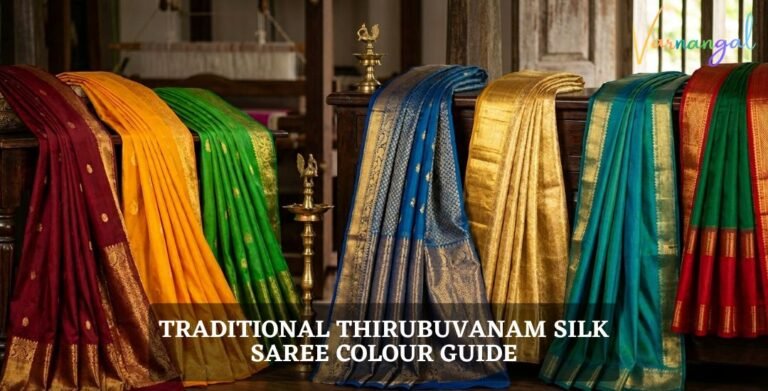
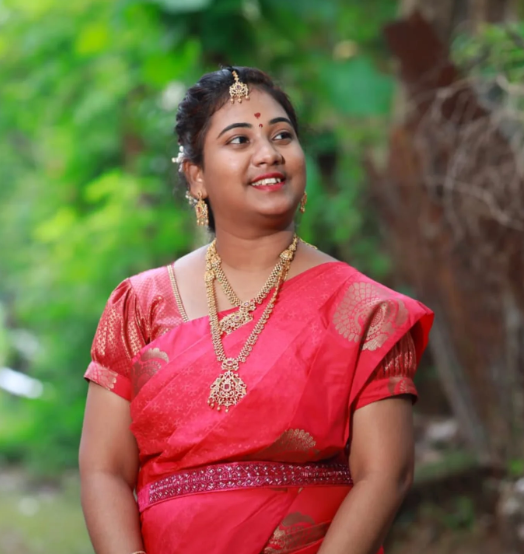
Ask a Tamil grandmother which colour to wear for Deepavali and she will rarely say just one. Red for the pooja, a yellow or gold border for luck, and something bright for the visits. Diwali colours carry old meanings, and knowing them makes choosing a saree much easier.
This guide explains what each traditional colour stands for, which part of the day it suits, and which of our sarees carries it. Varnangal is a Chennai seller of Silk Mark certified handloom pure silk sarees woven by Thirubuvanam weavers.
Quick Answer: Which Colours Are Best for Diwali?
Red and gold are the classic Diwali colours, linked with Goddess Lakshmi, good fortune and celebration. Yellow and turmeric shades stand for auspicious beginnings, white with a red or gold border suits the morning pooja, and green, peacock blue and pink are popular for the visits and the evening.
Diwali Colours and Their Meaning at a Glance
- Red: celebration, auspiciousness and Lakshmi. Best for the pooja and the whole day.
- Gold and yellow: prosperity and auspicious beginnings. Best as a border or pallu.
- White with a coloured border: purity and calm. Best for the early morning pooja and temple visits.
- Green: nature, growth and happiness. Best for daytime visits.
- Peacock blue: richness and festivity. Best for the evening.
- Pink and magenta: joy and warmth. Best for younger family members and visits.
- Black with a bright border: a modern evening choice. Best after sunset, away from the pooja.
Red: the Colour of Lakshmi and Celebration
Red is the first colour most families reach for. Goddess Lakshmi, who is worshipped at Diwali, is commonly shown dressed in red and gold, colours that stand for good fortune and wealth (Britannica on how Lakshmi is represented). Red is also described as the colour of weddings, festivals and all-round auspiciousness (Smithsonian Magazine on colours in Indian festivals).
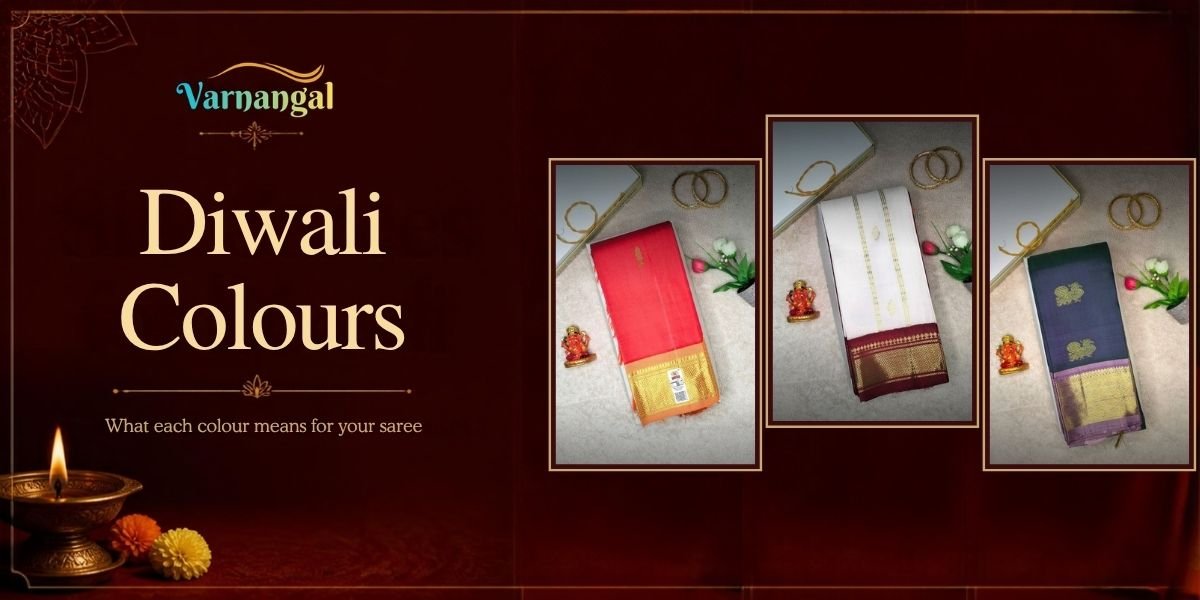
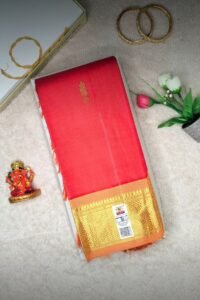
Our red and yellow silk saree has a red body with gold zari Nellu (rice-grain) buttas and a mango yellow pallu, and its product page names festive occasions. For a deeper shade, the wine red silk saree has an olive and gold border with Annapakshi buttas.
Gold and Yellow: Prosperity and New Beginnings
Gold zari is part of almost every festival silk saree, and yellow is the colour of turmeric, which goes on new clothes before they are worn on Deepavali morning in many Tamil homes. Together they read as prosperity and a fresh start.
Our off white silk saree with a yellow border pairs a cream body with gold zari mango buttas and a mustard yellow Korvai border with peacock motifs. Its product page names traditional rituals and auspicious occasions.
White with a Red Border: the Morning Pooja Classic
A plain white saree is not a festival choice in most Tamil homes, but white with a strong red or gold border is a different story. It looks clean and calm in the early morning light and suits the pooja and a temple visit.
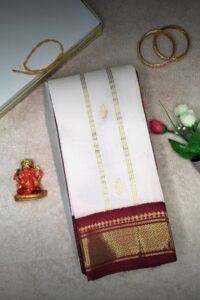
Our white and red silk saree has a milk white body with gold zari pinstripes and a dark red Korvai border. Its product page names morning Muhurtham ceremonies, temple rituals and festive occasions.
Green: Growth and Happiness
Green is described as the colour of nature and happiness (Smithsonian Magazine), and it photographs beautifully against the orange of lamps. It is a good daytime colour for family visits.
Our parrot green silk saree has gold zari Chakram (coin) buttas and a peacock blue Korvai border with a Tamarai Jaal (lotus grid) pallu. Its page names festive occasions. See more shades in our green silk sarees guide.
Peacock Blue: Richness for the Evening
Peacock blue is the Mayil (peacock) colour of Tamil weaving, and it glows under lamplight. It suits the evening, when the pooja is over and the lamps are lit.
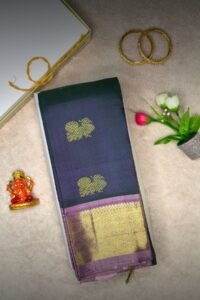
Our peacock blue silk saree has a dual-tone blue-green body with gold zari peacock buttas and a light wine pallu and double side border. Its page names grand traditional festivities.
Pink and Magenta: Joy and Warmth
Pink and magenta feel young and warm, and they are a favourite for daughters and new brides. A pink border lifts a cool body colour without overpowering it.
Our royal blue silk saree has a magenta pink Korvai border and a pallu with gold zari lotus, lamp and Gopuram motifs. For a softer look, the mint green silk saree pairs a pastel mint body with a dark magenta border.
Black with a Bright Border: a Modern Evening Choice
Many families prefer not to wear black for the morning pooja. In the evening, though, black with a bright border looks striking under lamps and in photographs. Our black and orange silk saree has gold zari leaf buttas and an orange border, and its page names evening receptions and grand festive occasions.
How to Match Diwali Colours to Your Day
- Morning pooja: white with a red border, or red with a yellow border.
- Visits and lunch: green, pink or yellow.
- Evening: peacock blue, wine red or black with a bright border.
Want more ideas? Read our silk sarees for Diwali guide, the Thirubuvanam colour guide, or browse all handloom pure silk sarees. Each saree is a single handloom piece, so check availability early.
Conclusion
Diwali colours are less about rules and more about the mood of each part of the day: red and gold for the pooja, bright greens and pinks for the visits, deep blues and black after sunset. Not sure which colour suits your family’s Deepavali? Call 9965121353 and we will help you choose.
Frequently Asked Questions (FAQ)
What is the lucky colour for Diwali?
Red and gold are the most traditional, because Goddess Lakshmi is usually shown in red and gold, colours linked with good fortune and wealth. Yellow is also considered auspicious.
Which colour saree is best for Lakshmi Pooja?
Red, or red with a gold or yellow border, is the classic choice. White with a red border also suits a morning pooja.
Can I wear black on Diwali?
Many families avoid black for the pooja. For the evening, black with a bright border, such as our black and orange silk saree, is a popular modern choice.
What do Diwali colours mean?
Red stands for celebration and auspiciousness, gold and yellow for prosperity, white for purity, green for growth and happiness, and pink for joy.
Which colour suits a Diwali evening function?
Deep shades such as peacock blue, wine red, or black with a bright border look rich under lamplight.

Abirami R – I grew up watching the women in my family drape themselves in vibrant colors, which made me realize that a saree carries both grace and history. With my husband Rajarajan’s encouragement, I turned this fascination into a mission to help you find truly authentic Tamil Nadu weaves. I’ve spent years learning the technical side, like zari weight and thread strength, to protect you from misinformation and help you find pieces worth passing down. My goal is to teach you the soul of the heavy Thirubuvanam silk saree so you can identify a real masterpiece for yourself.