In many Tamil families, a girl’s first period is not kept quiet. It is marked with a family function called Manjal Neerattu Vizha, where relatives gather to bless her as she grows into a young woman. For the girl, it is often the first time she wears a silk saree or a half saree in front of everyone.
This guide explains what Manjal Neerattu Vizha means in English, the rituals families follow, the role of the maternal uncle, and what the girl traditionally wears. Practices vary widely by community and region, and many families now hold a much simpler version. Varnangal is a Chennai seller of handloom silk sarees woven in Thirubuvanam.
Quick Answer: What Is Manjal Neerattu Vizha?
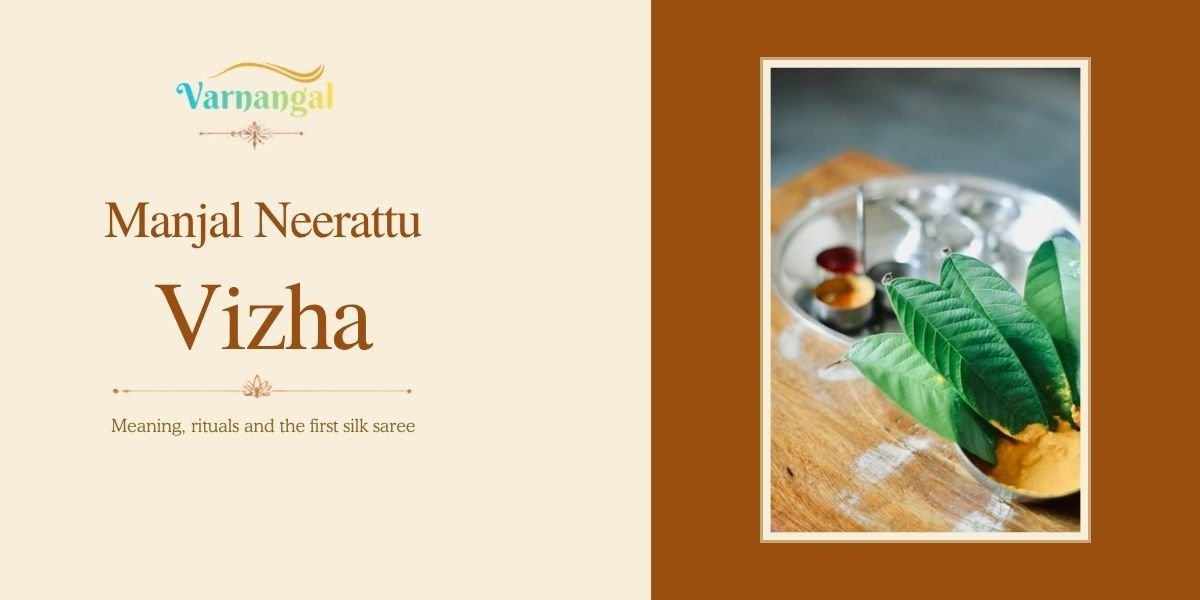
Manjal Neerattu Vizha is the Tamil coming-of-age ceremony held after a girl’s first menstruation. In English it means “turmeric bathing ceremony”: manjal is turmeric, neerattu is a ceremonial bath, and vizha is a function or celebration. The family bathes the girl with turmeric water, dresses her in a saree or half saree, and relatives bless her and give gifts.
The Meaning Behind Manjal Neerattu Vizha
The function announces to the family and community that the girl has come of age. Turmeric is used because it is seen in Tamil homes as auspicious, cleansing and protective, which is why it appears in weddings and poojas too. In the past, the function also told relatives that the girl would, in time, be ready for marriage. Today most families see it as a celebration of their daughter and a day for the whole family to come together.
Manjal Neerattu Vizha Rituals, Step by Step
The steps below follow the traditional form, as described in this account of the Tamil coming-of-age ceremony. Many families today keep only the bath, the dressing and the blessing.
1. The Period of Rest
Traditionally, the girl stayed apart for an odd number of days, such as 9, 11 or 13, in a small shelter (kudisai) built of coconut fronds, with neem and mango leaves. Neem was believed to keep away infection. She was given nourishing home food, and older women of the family stayed close to her. In cities today, this is usually just a few days of rest at home.
2. The First Bath with Turmeric
Married women of the family give the girl a bath with water mixed with turmeric, sometimes with neem leaves. This is the neerattu that gives the function its name.
3. Puniyathanam, the Purification
A priest or elder performs puniyathanam, a purification ritual for the girl and the home, before the main function.
4. Dressing the Girl
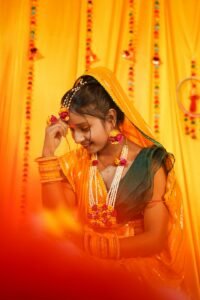
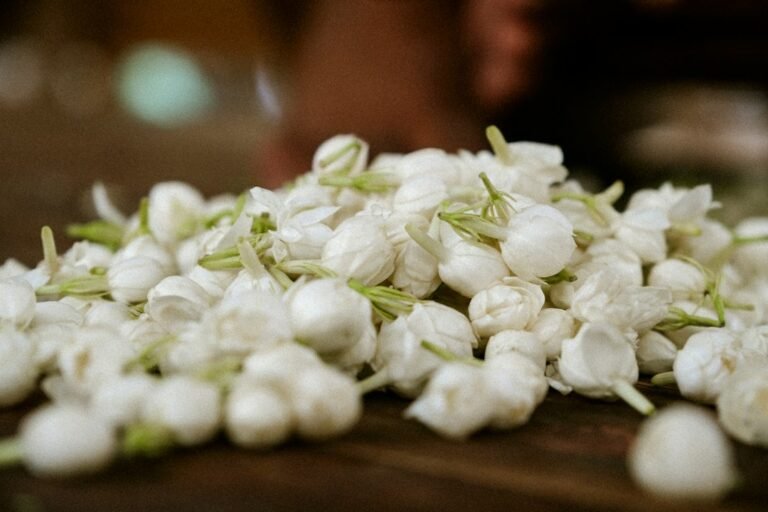
Turmeric paste is applied to her cheeks and arms, and she is dressed in a saree or half saree, with jewellery and jasmine in her hair. She sits on a decorated seat in front of the guests, often with a lamp and a plate of auspicious items beside her.
5. Aarti and Blessings
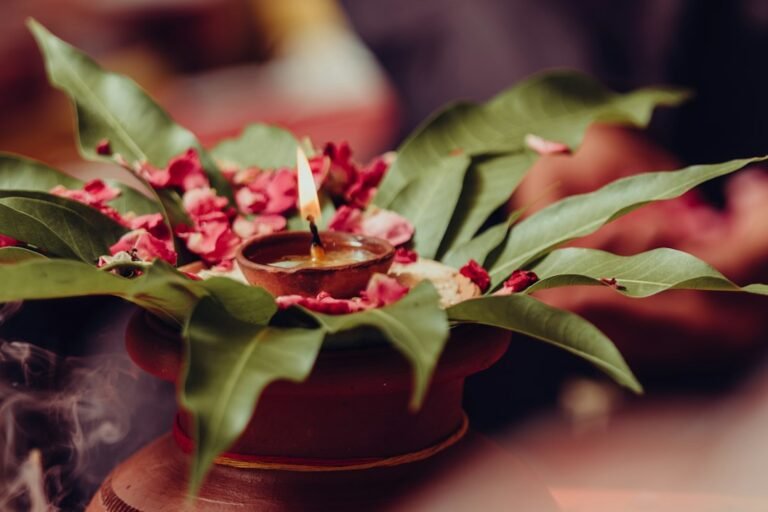
Married women perform aarti with a plate of coloured water and a lamp to ward off the evil eye. Elders bless the girl with akshathai, and relatives give her gifts.
The Role of the Maternal Uncle (Thai Mama)
The girl’s maternal uncle, her mother’s brother, has the place of honour at Manjal Neerattu Vizha. His family’s gifts, the thai mama seer, are presented first, and often include her first silk saree, along with fruit, sweets, flowers and jewellery. This is one of the functions where seer is given, much like at a wedding; see our seer varisai thattu items list for the kinds of items families include.
What the Girl Wears: Half Saree or Silk Saree
For many Tamil girls, Manjal Neerattu Vizha is the day they first wear a saree. Two choices are common:
- Pattu pavadai and half saree (dhavani): a long silk skirt, a blouse, and a half-length saree draped over it. It has long been seen as the dress between a child’s pavadai and a woman’s saree, and many families give a half saree at this function (more on the half saree tradition).
- A full silk saree: many families, especially the maternal uncle’s, give a six-yard silk saree in a bright, auspicious colour, which the girl keeps for years.
To understand the kinds of silk sarees families choose from, read our guide to types of pattu sarees in Tamil Nadu.
Manjal Neerattu Vizha at a Glance
| Step | Who leads it | What happens |
|---|---|---|
|
Period of rest |
Mother and older women |
The girl rests apart for a few days |
|
Turmeric bath |
Married women of the family |
Bath with turmeric water |
|
Puniyathanam |
Priest or elder |
Purification of the girl and the home |
|
Dressing |
Mother and aunts |
Saree or half saree, jewellery, jasmine |
|
Thai mama seer |
Maternal uncle’s family |
First gifts, often a silk saree |
|
Aarti and blessings |
Married women and elders |
Aarti, akshathai and gifts |
How Families Celebrate It Today
The function has changed a lot. Some families still hold a large function in a hall with a meal for guests, like a small wedding. Many others keep only a family pooja and blessing at home, and some choose not to hold it at all. There is no single right way; what the girl and her family are comfortable with matters most.
Conclusion
Manjal Neerattu Vizha is a Tamil family’s way of welcoming a daughter into a new stage of life, with turmeric, blessings and, very often, her first silk saree. Whether your family keeps the full tradition or a simple pooja at home, knowing what each step means makes the day more meaningful.
If you are choosing a silk saree for the occasion, browse our handloom pure silk sarees, or call 9965121353 and we will help you choose.
Frequently Asked Questions (FAQ)
What is Manjal Neerattu Vizha in English?
It means “turmeric bathing ceremony”. It is the Tamil coming-of-age function held after a girl’s first period.
When is Manjal Neerattu Vizha held?
It is held after a girl’s first menstruation, traditionally after a short period of rest of 9, 11 or 13 days. Many families today hold it within a few days or weeks, on a date chosen with the help of the panchangam.
Who gives the first saree at Manjal Neerattu Vizha?
In many Tamil families, the girl’s maternal uncle (thai mama) and his family give the first saree, as part of their seer.
What does the girl wear for Manjal Neerattu Vizha?
She usually wears a pattu pavadai with a half saree (dhavani), or a full six-yard silk saree, with jewellery and jasmine in her hair.
Why is turmeric used in the ceremony?
Turmeric is seen in Tamil homes as auspicious and cleansing. It is used in the ceremonial bath and applied to the girl’s cheeks and arms.
Abirami R – I grew up watching the women in my family drape themselves in vibrant colors, which made me realize that a saree carries both grace and history. With my husband Rajarajan’s encouragement, I turned this fascination into a mission to help you find truly authentic Tamil Nadu weaves. I’ve spent years learning the technical side, like zari weight and thread strength, to protect you from misinformation and help you find pieces worth passing down. My goal is to teach you the soul of the heavy Thirubuvanam silk saree so you can identify a real masterpiece for yourself.